
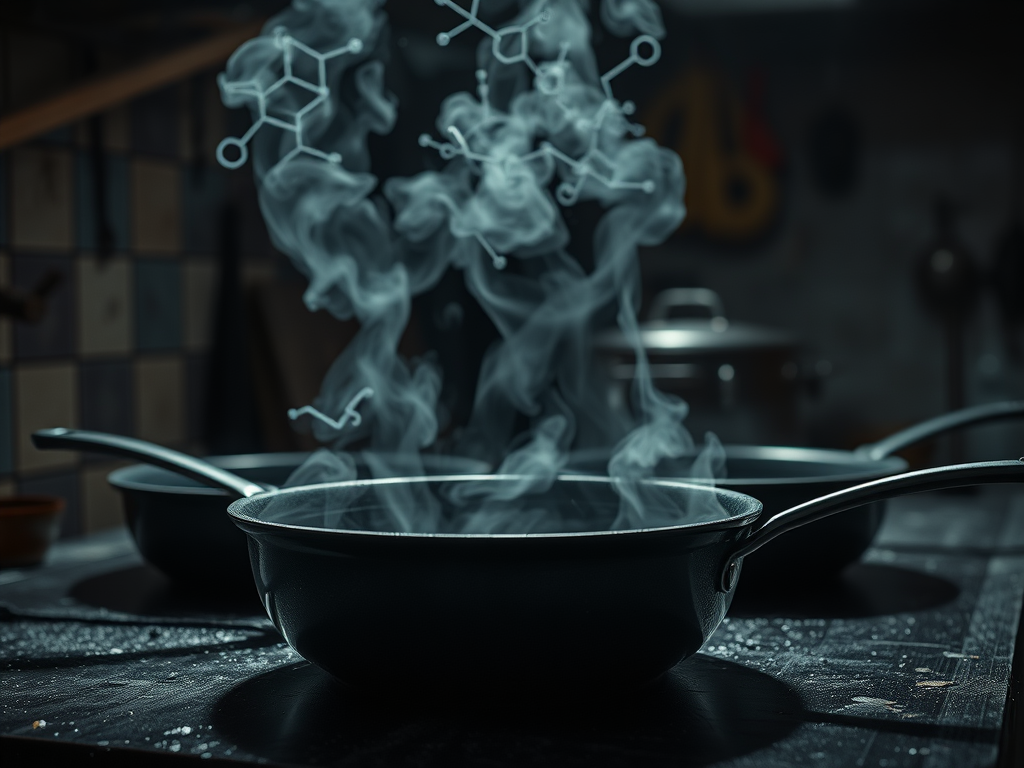
Cooking at home is a big part of our household. My husband and I prioritise healthy eating to feel our best and perform at our peak.
For a long time, I was a big fan of non-stick cookware. But over time, I started to notice something strange. Whenever I stored leftovers in those pans overnight, the food felt… off. Almost like it had absorbed something that made it less fresh — and honestly, toxic. Have you ever had that feeling?
My Baka (Grandma in Croatian) used to tell me, “Always cook and store food in stainless steel — it’s the safest and healthiest.” At the time, I shrugged it off as old-fashioned advice. But now, I can see she was onto something. There’s wisdom in those traditions.

What’s Really in Your Non-Stick Pan?
Most non-stick pans are coated with chemicals called PFAS (short for per- and polyfluoroalkyl substances). People call them “forever chemicals” because they don’t break down — not in nature and not in your body.
Imagine burying a non-stick pan in your backyard. If you came back 100 years later, it would still be there, almost the same — that’s how tough these chemicals are.
PFAS were never meant for cooking. In fact, they were first made for industrial and military use, like waterproofing and firefighting foam. This is not something you’d want near your food.
The big problem? When you cook with non-stick pans, especially on high heat, these chemicals can get into the air and your food. This means you might be breathing them in or eating them — and they’ve been linked to serious health problems.
Just think — even if you’re making healthy meals for your family, using non-stick pans can still put harmful chemicals in the food. That’s not something I want for my family. Do you?
What Health Issues are caused by PFAS?
Research has linked PFAS exposure to:
- Reduced sperm count
- Hormonal disruption
- Fertility problems
(Studies: PMID: 39441666, 38804291, 37931739)
This is backed by research from real scientists, and their research shows it’s true. PFAS chemicals are being found in people’s blood all over the world. One big way these chemicals get into our bodies is through the pots and pans we use to cook.
Have you noticed more people saying it’s getting harder to have babies? Or that some women are having problems with their periods? These things are happening more often — and what we use in the kitchen can be part of the reason.
What are better options?

I changed all my pots and pans to stainless steel, and honestly, I feel so much better when I cook now. It just feels cleaner and safer. Now I finally get what my grandma always told me about using good, safe cookware.
I haven’t used cast iron yet because it’s a bit heavy. I’m thinking about trying it soon as I want to make casseroles and cast iron pots can go from the stove to the oven.
Benefits Of Stainless Steel
- Non-toxic and safe for everyday use
- Great for searing, sauteing, and boiling
- Lasts decades with proper care
- Store leftovers, then reheat straight on the stove
Benefits of Cast Iron

- Naturally non-stick when seasoned properly
- Adds trace iron to your food — a bonus!
- Durable — often passed down through generations
Is it Harder to Cook with These Pans?
At first, frying with stainless steel was a bit tricky for me. Sometimes the food, like eggs, would stick to the pan. It took me a little while to learn how to get the heat just right. The secret? Let the pan heat up first, then add some ghee or oil before putting in the food — that makes a big difference!
When it came to boiling or making soups, though, there was no difference at all for me.
With a little practice, you’ll find that stainless steel and cast iron can do everything non-stick can… and often do it better.
Making the Transition Affordable & Stress-Free
You don’t have to replace your whole kitchen at once — that can get expensive. I started small by swapping out the frypan I used every day, then invested in a full Scanpan Stainless Steel set over time.
At first, I kept one big non-stick pot for soups in winter, since I didn’t use it often. But when I noticed the bottom starting to discolour, I thought, “What if that stuff is ending up in the soup my kids are eating?” That was enough for me. I finally made the switch. And when I cooked the same soup in my stainless steel pot, it actually tasted better. Plus I felt more confident knowing there were no hidden chemicals in our food.

My tip? Start by replacing the pan you use the most. Keep an eye out for sales — there always seems to be one, and it makes the switch much more affordable.
Remember, this isn’t about being perfect. It’s about making better choices, one step at a time. Even one change can make a big difference for your family’s health.
Have questions or want to share your experience? Leave a comment below or send me a message — I’d love to hear from you!
Let’s cook cleaner, safer, and smarter — together.

Let’s Chat – Free 30-Minute Call
If you’re looking for simple, realistic ways to create a healthier lifestyle for your family, I’d love to help. I’m offering a free 30-minute call where we can chat about meals, movement, mindset — whatever’s on your mind. No pressure, just a friendly conversation with someone who understands the juggle of family life and wants to see you win.
Want more tips for raising a strong, healthy family?
Subscribe to the blog for practical advice you can use in everyday life — from cooking clean meals to building habits that support your family’s wellbeing. And follow us on Instagram and Facebook for daily ideas, inspiration, and support. Let’s build a healthy home, together.

Leave a Reply