
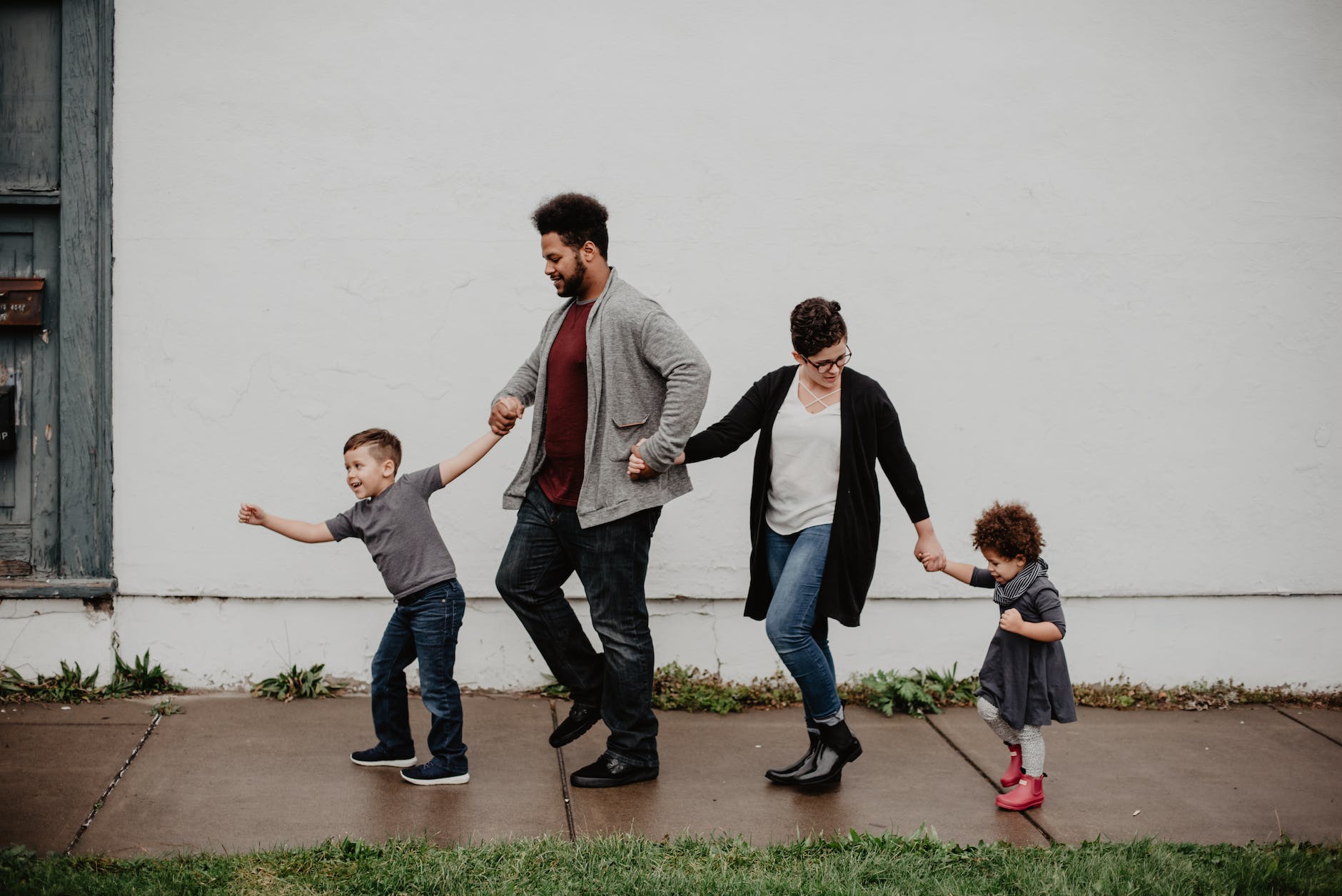

Can you think of a time when you were out and your kids misbehaved or didn’t do as you asked?
Some common answers I often hear from parents is that when they are out at parties the kids eat excessive amounts of sugar then are screaming and causing a scene when asked to stop. Another one is that they run off in a public place (such as a shopping centre). These are all examples of situations with the right steps and training we can work with our children to improve.
Children are children and I love that they are so vibrant and energetic. I believe as a parent it is our duty to teach kids and I will give you a simple 5 step process that will help improve behaviour when out.
This doesn’t mean that it will work perfectly first time like a magic wand. There is even a chance that it could get worse. However the key is consistency and continual training so that they can learn.
Firstly before heading out (especially to a place where I know the kids are less likely to enjoy), I ensure that I have special time with them so that there attention and power buckets are filled up.
Before arriving at your destination, it is important to set the guidelines for the children of what the expected behaviour is.
I set rules to teach kids common curtesy so that they become confident and respectful as they know what to do in a social setting. I look at the rules as tools that they can use to succeed in life.
When setting rules I recommend the car trip on the way, other options include at home or before you are about to enter. The key though is to do it prior to your arrival so that everyone is clear what is expected of them when you get there.
5 Step Process for Good Behaviour When Out

1. Let the kids know rules need to be set for where you are going and then ask the kids what they think are appropriate rules – kids like power and to feel they are a part of the process as opposed to always being told what to do. For example if we are going to a birthday party I will ask: ‘What do you think are good rules for the party?’
As time has gone on I have found they have come up with great ideas that I haven’t thought of. Also as they came up with the rules they are more likely to follow them.
Examples of the rules my kids have set are:
- No hitting
- No screaming
- They need to say thank you if they get something
- If someone is being mean to someone else they need to tell a grown up (I was impressed with this rule)
It is important with the rules that the kids set that you acknowledge and agree if they are reasonable. Remember though if you agree to a child’s rule you will need to follow it too. The key to this is that the rules apply to the whole family.
2. Add your additional 1-3 rules to the list – once the kids have set some rules, now is time to set your top 3 rules you want the kids to abide by. These are the rules that could have consequences attached to them (step 4).
In my experience any more than 3 rules will cause the child to get overwhelmed and they most likely won’t follow any of the rules. The goal is to get these rules engrained where it does not need to be a rule and become a way of life (like saying thank you when you receive something). Once a rule is mastered you can drop that rule and introduce a new one.
Some sample rules I set are:
- Say hello to everyone and look them in the eye
- Eat savoury food first before dessert – I also set the number of sweets (including juice & soft drinks) that they can have.
- Walk next to me at all times – if you would like to go somewhere or look at something else ask me (I use this at a shopping centre)
Make it clear that the rules apply to the whole family (both the rules that the kids set and you have set). We cannot expect kids to say hello to everyone if we as the parent do not do this. Or if we eat 5 pieces of cake. They will think this is not fair and more likely to break the rules.
“Kids will follow your example, instead of your advice.”
unknown
3. Ensure to set the most important rule ‘Have Fun’ – once I set 1-3 rules, I always ask the kids ‘what is the most important rule?’ and they will respond (usually loudly and excitedly) ‘Have Fun!’.
We are here in life to enjoy ourselves and Have fun. I want the kids to know this so that they do remember to have fun as we are only here once so we may as well enjoy ourselves.

4. Be clear to let them know what happens when the rules are broken – once the rules are agreed upon, clearly let the kids know what will happen if the rules are broken.
Two strategies I tend to use are:
- Consequence
- When, then
Consequences
Usually if we are going to a place that they will enjoy and want to be at, I tend to use the consequence. For example if they eat more than 2 sweets we will pack up and leave the party early.
The key to consequences is that you follow through and do what you say you will do. If you won’t follow through don’t set the rule.
Other examples of consequences may be:
- They need to sit next to me until they do what’s required (such as say hello to everyone)
- If they run off at the shopping centre they will be required to sit in the pram (if young enough)
The most common comment that is made is that parents feel bad leaving the party early. I understand that, especially if the host has gone to a lot of trouble. In the event that you have set the rule, be sure to explain to the host the reason you are leaving (out of ear shot of the kids). Most other parents understand the importance of discipline and will not hold this against you. Also follow up with a phone call or message to thank them for being understanding of you having to leave early. Otherwise if you feel bad leaving and will back out of the consequence, do not set this as your consequence. It is important that you follow through.
When, then
This one I usually use when we are out and it is to benefit me, for example I am going shopping, catching up with a friend and so forth. Here is an example:
‘when we finish the shopping and you have followed the rules, then we will go to the play ground and have a play’
The key to this is to make sure you do something that they will enjoy and benefit. Some ideas that I have used are:
- That I will play Barbies/colouring/Lego for 15 minutes when we get home
- We can sit down and have a babycino so that we can spend time together
Usually the ‘then’ item is where I use my time to spend time with them doing what they like.

EXPERT TIP – Avoid buying them things as they will start believing that if they do something for you, that you will buy them something (a reward).
Whatever approach you choose (or you may have your own style) the key is to follow through. If the child knows that you won’t follow through they will most likely not follow the rules and misbehave.
5. Thank the kids afterwards – once you leave your destination be sure to acknowledge the kids on how you appreciated them following the rules. Be specific with this one, for example thank you I really liked that you looked Aunt Betty in the eyes and said hello or I really liked how you helped clean up the toys. This step is critical as it shows the child you were watching their behaviour and you are re-enforcing the good.
Remember even if the kids did break a rule and you needed to implement your action step, still thank them if they have followed some of the rules. For example, Thank you for sitting down and eating nicely.

This shows them that you do watch and take notice of when they follow rules.
If this is the first time you are following such a process, this may take time to implement and with kids it may get worse before it gets better. That’s okay, kids will subconsciously try to test the waters, the key is to stay consistent, especially step 4 (if required) and step 5.
Also I recommend to take time to train the kids on how to behave is a great approach, refer to my training article as a guide here.
Do you have any suggestions, tips or tricks you use to ensure that children are well behaved when out?

Leave a Reply