
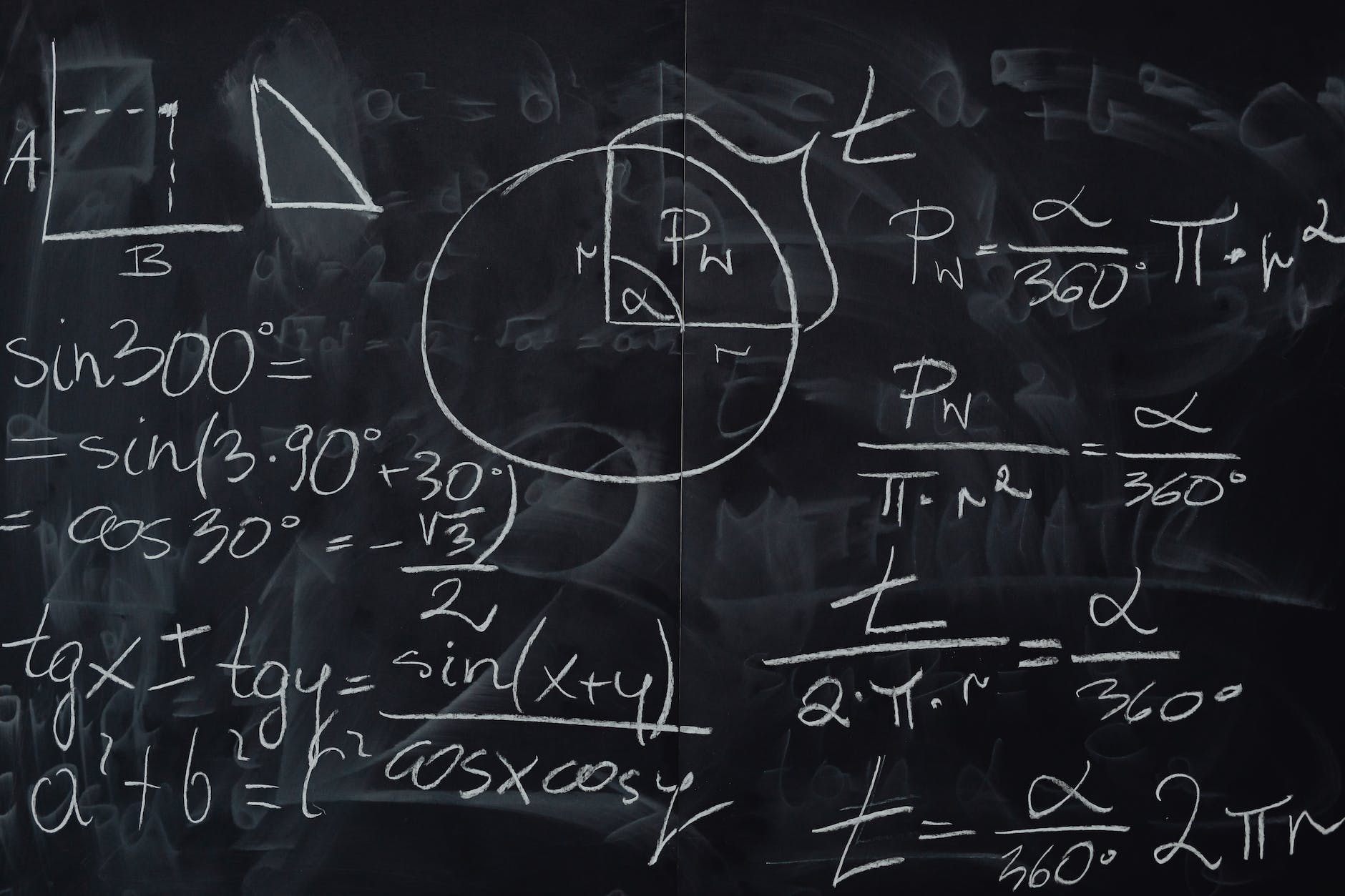
As my daughter’s year 3 teacher said, maths is in everything! My daughter loves maths and is often asking for questions to practice her times tables or basic algebra, however for many children it can be a subject that causes stress. Rather than trying to help them with sum after sum, why not try some fun ways to practice around the home so they won’t even realise what you are doing?!
Recipes

Involve your children in cooking. Get your children to help read the recipe and measure out the ingredients you are using.
What is even more challenging is if you want to make double the recipe (or some fraction thereof) ask the children to work out how much of each ingredient is required. If you are making something yummy, for example muffins, the kids will be so excited to cook and eat them they may not even notice the additional maths!
Time Remaining
Ask children what the time is and how much time is remaining for a task or play or until someone gets home. If the time remaining is more than a few minutes you could try asking given how long things take, how much can you do in the remaining time.
For example, “if putting the washing away takes 20 minutes, how much of the washing can we put away before Daddy gets home?” A similar concept is, if there are 30 minutes left in a tv show, and ads are shown approximately every 10 minutes, how many more ad breaks will there be? You can almost turn it into a game. This is also an introduction into time management and involves questions that can be asked anytime in everyday life.

Measuring in Craft
This is another fun practice. Making things is always fun and there is such a variety of what can be made – really your/their imagination is the limit. This can also improve their precision as they practice measuring lengths to greater degrees of precision.
We are travelling overseas for Christmas so cannot take whole boxes of games. I am planning to make a double-sided game board with Othello on one side and Backgammon on the other. I will determine what size board we need in total, but then I will get my daughter to do all the measurements to divide up the board into the required number of squares and triangles, then she can map it all out onto each side of the board to make sure it all fits. This way we limit our luggage quite a bit and she can also feel proud about what she has created while we play, and of course she has had a lot of practice measuring and dividing up space.
Playing Games
Card games and board games are a wonderful way to have fun and practice maths! There are so many games out there now for all ages that I can’t even start to make a list, but I will tell you about two.

The Game of Ladybirds is a fun counting game for 3-7 year olds. My daughter played it so often and loved the cute ladybirds. It was also an introduction to losing games, which didn’t go down well but is a whole other subject! It was great practice for her counting and really helped her learn her numbers.
Monopoly, recommended for ages 8+, is a very famous board game that can divide families!!! There is always someone who is not allowed to be banker because they cheat! But aside from that, it is a fantastic opportunity to deal with money and practice adding up and giving change.
Scores in Sports Matches
I came across an article by Brendan R. Hodnett that really impressed me. He uses an example of an American Football match to explore how different point scoring would have affected the results to give the kids a real life example of how maths can work. His article can be found here: Using Football to Teach Math | Expert Corner (understood.org)
I do not follow much sport so hadn’t thought of using this tactic, but I really like it! If you are watching a sport that involves different points for different types of goals or marks, try this out with your children.

These are just a few tips on how to practice maths with your children at home. As I quote my daughter’s teacher again, maths is in everything, so there really is no end to how you can practice it. Making it fun and enjoyable is more likely to reinforce the skills, and the more settings you use it in the more the kids will realise just how important and useful numbers are.
About the Author
Sally is a home organisation and budgeting expert with a passion for helping families take the stress out of everyday tasks by creating simple, efficient and cost-effective processes. Her strategies can result in more time and energy being available to spend time doing what you love. Sally is a quiet budgeting queen, home organisation specialist, wife, mother, animal-loving mathematician and so much more.

Leave a Reply